
Utah’s 100% ID Law: What Businesses & Consumers Need to Know
As of January 1, 2026, Utah implemented one of the most comprehensive alcohol identification laws in the country. Commonly referred to as Utah’s 100% ID Law, this legislation requires every person selling alcohol in Utah to verify identification for every alcohol purchase, without exception.
For Utah bars, restaurants, and alcohol-serving establishments, this law represents a major shift in compliance obligations. For consumers, it changes what to expect when ordering alcohol anywhere in the state. And for individuals with prior extreme DUI convictions, the law creates strict purchasing restrictions that must be enforced by alcohol sellers.
Understanding how Utah’s 100% ID Law works, and how it is enforced is essential to avoiding fines, license suspensions, and legal consequences.
What Is Utah’s 100% ID Law?
Utah’s 100% ID Law requires universal identification verification for alcohol sales. Unlike prior practices where employees could use discretion if a customer appeared over 21, the new law removes that discretion entirely.
Under the law:
- Every customer must present a valid ID to purchase alcohol
- Every ID must be visually inspected, not just scanned
- Alcohol sellers must verify both age and legal eligibility to purchase alcohol
This applies to bars, restaurants, and any business licensed to sell alcohol in Utah.
The “NO ALCOHOL SALE” Red Stripe Requirement
One of the most significant-and often misunderstood-components of Utah’s 100% ID Law is the mandatory visual inspection for a red stripe above the ID photo stating “NO ALCOHOL SALE.”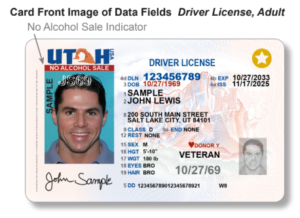
What Does the Red Stripe Mean?
The red stripe is issued by the State of Utah to individuals who have been convicted of an extreme DUI. If an ID contains this stripe:
- The individual is legally prohibited from purchasing alcohol
- The restriction applies even if the person is over 21
- Alcohol sellers must refuse service
This is not optional. Selling alcohol to a person with a red-striped ID is a violation of Utah law.
Visual Inspection Is Mandatory
Importantly, ID scanning alone is not enough. Employees must physically look at the ID to check for the red stripe. If a business relies solely on scanners and fails to visually inspect the ID, it may still be found noncompliant.
Mandatory ID Scanning Requirements for Utah Bars
In addition to visual inspection, all Utah bars are required to scan every ID using an approved ID scanning device.
For bars:
- Every patron’s ID must be scanned
- This includes regular customers and repeat visitors
- There are no exceptions based on familiarity or appearance
The scanning requirement is intended to prevent underage drinking, detect fraudulent IDs, and create accountability in alcohol service. Failure to scan IDs where required can expose bars to administrative penalties and liquor license consequences.
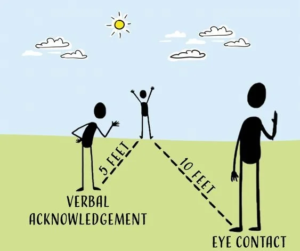 Utah Restaurants With Bars: The 5-Foot and 10-Foot ID Rule
Restaurants that serve alcohol are subject to additional requirements if they have a visible bar structure.
Under Utah’s 100% ID Law:
- Restaurants with visible bars must scan IDs for certain patrons
- The requirement depends on how close the patron is to the bar
Distance-Based ID Scanning Rules
- Ten feet: Applies when there is no pony wall or barrier blocking the view of the bar
- Five feet: Applies when a pony wall or partial barrier is in place
Any customer seated within the applicable distance:
- Must have their ID checked
- Must have their ID scanned
Businesses may need to reevaluate floor plans, train staff on distance compliance, and ensure scanning devices are readily available.
What Utah Alcohol Sellers Must Do to Stay Compliant
The 100% ID Law significantly raises compliance expectations for Utah alcohol sellers.
Employee Training Is Critical
Employees must be trained to:
- Ask for ID from every customer who orders alcohol
- Conduct a visual inspection for the red stripe
- Properly scan IDs when required
- Confidently refuse alcohol sales when legally necessary
Mistakes by individual employees can still result in penalties for the business itself.
Consistency and Documentation Matter
Selective enforcement, such as scanning some IDs but not others, can create liability. Utah regulators expect consistent, universal compliance. Written policies, documented training, and regular compliance reviews are strongly recommended.
What Consumers Should Expect Under Utah’s 100% ID Law
For consumers, the law changes the alcohol purchasing experience statewide.
When purchasing alcohol in Utah:
- Always bring valid identification
- Expect to be carded every time, regardless of age
- Understand that refusal of service may be legally required
For individuals with a red-striped ID, attempting to purchase alcohol may result in additional legal consequences.
Penalties for Violating Utah Alcohol Laws
Failure to comply with Utah’s alcohol laws can result in serious consequences, including:
- Fines and administrative penalties
- Suspension or revocation of liquor licenses
- Disciplinary action against employees
- Increased regulatory scrutiny
Given the strict enforcement environment surrounding alcohol sales in Utah, even small compliance failures can lead to major business and legal problems.
Utah Alcohol Law Compliance: How Christensen & Jensen Can Help
Utah’s 100% ID Law places increased legal responsibility on Utah bars, restaurants, and alcohol sellers, while also directly affecting individuals subject to alcohol-related restrictions. Navigating these requirements correctly is essential to protecting your business, your license, and your future.
Christensen & Jensen helps businesses and individuals across Utah understand and comply with Utah alcohol laws, liquor license regulations, and enforcement actions. Our firm works with bar and restaurant owners on compliance strategy, employee training issues, and defense against regulatory violations.
Whether you operate a bar or restaurant in Salt Lake County or anywhere in Utah, or you are an individual impacted by Utah’s alcohol laws, proactive legal guidance can help prevent costly mistakes.
If you have questions about Utah’s 100% ID Law, liquor license compliance, or alcohol-related enforcement issues, contact Christensen & Jensen today to schedule a consultation and get clear, trusted guidance from experienced Utah attorneys.
Yes. Grocery and convenience stores can sell beer on Sundays, but liquor, wine, and stronger alcohol can only be purchased from state-run liquor stores, which remain closed on Sundays. Yes, restaurants in Utah must still serve food when alcohol is ordered. No. Utah law does not allow patrons to bring their own alcohol into licensed establishments. All alcoholic beverages must be purchased through the licensed bar or restaurant. Bars may serve alcohol until 1 a.m., and restaurants typically stop earlier depending on their licenses. State liquor stores still have restricted hours, generally closing by 10 p.m.FAQ's About 2026 Utah Alcohol Laws

