
Underage DUI in Utah: What Happens Next and What Parents Should Know
Facing a DUI charge as a juvenile in Utah can feel overwhelming. The process differs significantly from that of adult cases, and understanding what lies ahead is crucial for families. The following guide explains the law, the process, potential consequences, and practical steps to help navigate this challenging situation.
Utah’s “Not-a-Drop” Law: What It Means for Drivers Under 21
Although a ‘minor’ is typically defined as anyone under 18, Utah enforces a strict zero-tolerance policy for drivers under 21. Known as the ‘Not-a-Drop’ law, it means any detectable amount of alcohol can lead to a DUI charge. Unlike adults, who face a 0.05% BAC limit, minors can be charged even after a single sip.
This policy reflects Utah’s commitment to preventing underage drinking and driving. For juveniles, the threshold is clear: any measurable alcohol equals a violation. Even trace amounts detected during a traffic stop can trigger serious consequences.
What Counts as “Actual Physical Control” in a Juvenile DUI?
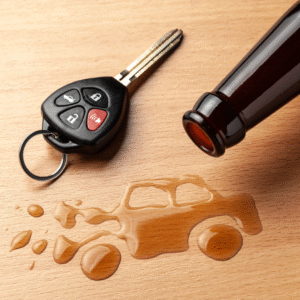
The law applies whether the juvenile is driving their own car or operating anyone else’s motor vehicle. But it may also apply where the vehicle is not even in motion. For example, it also covers situations where the minor isn’t driving but is in ‘actual physical control’ of the vehicle. For example, the juvenile may be charged even if they’re in a parked car if the keys are accessible.
Determining whether a juvenile had ‘actual physical control’ isn’t simple. It involves both facts and law, and an attorney can guide you through it.
What Happens After a Juvenile DUI Arrest in Utah?
Understanding the juvenile court process can reduce stress and help families prepare. Here’s what typically happens after a juvenile DUI arrest:
1. Arrest and Booking
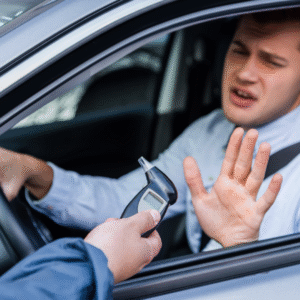
The process begins when law enforcement suspects impairment. The juvenile may undergo field sobriety tests and a breathalyzer. If alcohol is detected, the minor is taken into custody and booked. Parents are notified immediately.
2. Detention or Release
Depending on circumstances, the juvenile may be held in a detention center or released to a parent or guardian. Factors include BAC level, prior offenses, and whether an accident occurred.
3. Initial Hearing
The first court appearance usually occurs within a few days. The judge explains the charges and rights. Legal representation is strongly recommended at this stage.
4. Adjudication Hearing
This is similar to a trial but less formal. The judge reviews evidence and decides whether the juvenile committed the offense. If adjudicated delinquent, the case moves to disposition.
5. Disposition
The judge imposes sanctions such as fines, probation, treatment, and license suspension. The goal is rehabilitation, not punishment, but consequences can still be significant.
Penalties for a First-Time Juvenile DUI in Utah
Separate from court proceedings, the Utah Driver License Division may suspend driving privileges. This often happens quickly, sometimes before the first hearing. Administrative penalties include license suspension and ignition interlock requirements.
Juveniles have the right to request an administrative hearing to contest the suspension. Deadlines are short, so prompt action is critical.
Penalties vary based on age, BAC level, and prior history. Here are common outcomes for first-time juvenile DUI cases:
License Suspension & Ignition Interlock
Drivers under 18 may face a license and/or driving permit suspension that could last anywhere from 6 months until they turn 21. Those aged 19–20 typically see a six-month suspension. Higher BAC levels can lead to longer suspensions and ignition interlock device requirements.
Fines, Fees & Probation
Expect fines starting around $700, along with probation terms. Probation may involve regular check-ins, community service, and compliance with court orders. Non-compliance can result in stricter penalties.
Substance Screening & Treatment
Utah courts require substance abuse screening after a DUI. Based on results, juveniles may need counseling, education, or formal treatment programs.
Community Service & Additional Sanctions
Community service is common in juvenile DUI cases. Courts may also impose restorative justice activities to encourage accountability and learning.
Can a Juvenile DUI Lead to Detention?
 Detention is rare for first-time offenders but can occur in severe cases involving injury, high BAC, or felony charges.
Long-Term Consequences of a Juvenile DUI Conviction
A juvenile DUI can have lasting effects beyond court sanctions. Insurance premiums often increase dramatically, and some carriers may refuse coverage. College applications, scholarships, and employment opportunities can also be affected.
While juvenile records are generally sealed, certain circumstances may allow access by law enforcement or courts later. Understanding these implications is critical for planning a successful future.
Steps Parents Should Take After a Juvenile DUI Arrest
Stay calm and informed. Begin by reviewing the citation and understanding the charges. Attend all hearings and comply with court orders promptly. Encourage open communication with your child about the seriousness of the situation.
Consider enrolling your child in voluntary education or counseling programs before the court mandates them. Demonstrating proactive steps can positively influence the judge’s decision.
Why Hiring a Juvenile DUI Attorney Matters
Navigating juvenile DUI laws in Utah is complex. An experienced attorney can clarify rights, negotiate favorable outcomes, and guide families through court proceedings, treatment, the license reinstatement processes, and expungement.
Attorneys can also help with administrative hearings and ensuring compliance with all requirements following disposition. Their expertise reduces stress and helps families focus on recovery and growth.
Protecting Your Child’s Future After a DUI Charge
A juvenile DUI in Utah is serious but not insurmountable. With the right information and support, families can focus on rehabilitation and moving forward. Understanding the process—and seeking guidance when needed—helps ensure the best possible outcome.
If your child is facing a DUI charge, consider reaching out to a qualified attorney at Christensen & Jensen to explore every option and p schedule a confidential consultation.
Refusing a breathalyzer test is not recommended for either juveniles or adults. Utah’s implied consent law means refusal can lead to additional penalties, including longer license suspension. Juvenile records are usually sealed, but exceptions exist. Adult court transfers create permanent records. Parents are not generally criminally liable but must ensure compliance with court orders. If the parents gave the juvenile the alcohol that led to the DUI, they may be criminally liable for unlawful sale, offer for sale, or furnishing an alcoholic product to a minor. Any sale of alcohol to a minor may also lead to federal charges in addition to state charges.FAQ about Juvenile DUI
